Awakening Ears at First Light in the City Woods

Join us in exploring mindful sunrise soundwalks in urban woodlands, where careful listening softens the edges of routine and the city’s breath becomes audible. Arrive while streets are still yawning, and follow birdsong as it sketches hopeful lines across pale horizons. We will share preparation tips, gentle practices, routes, and ways to document your experience, building a ritual that steadies attention. Bring layers, patience, and curiosity. Leave with a calmer nervous system, a refreshed relationship to place, and stories that encourage others to greet the day kindly.

When the City Holds Its Breath

Reach the trees while the sky still carries that in-between blue, when your eyes and ears negotiate new balances. Walk slower than comfortable. Notice coolness on cheeks, breath’s gentle plume, and ground textures underfoot. This is a threshold, not a race. Let your attention rest on the farthest sound, then the nearest, then the space between. The calm you cultivate here becomes a compass you can return to when the rest of the day grows noisy.
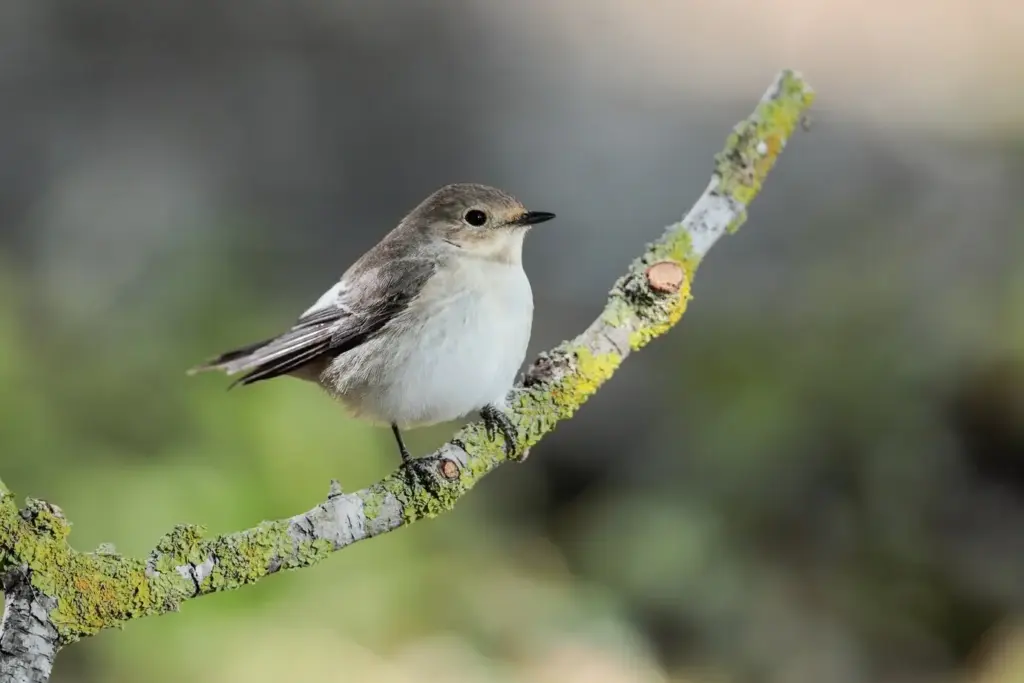
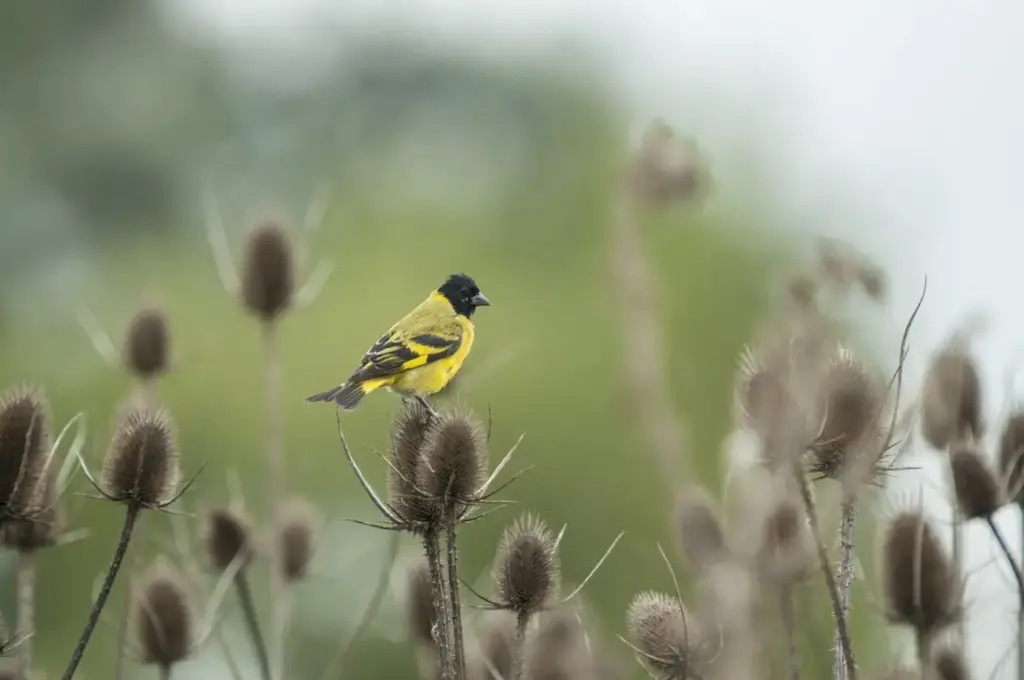
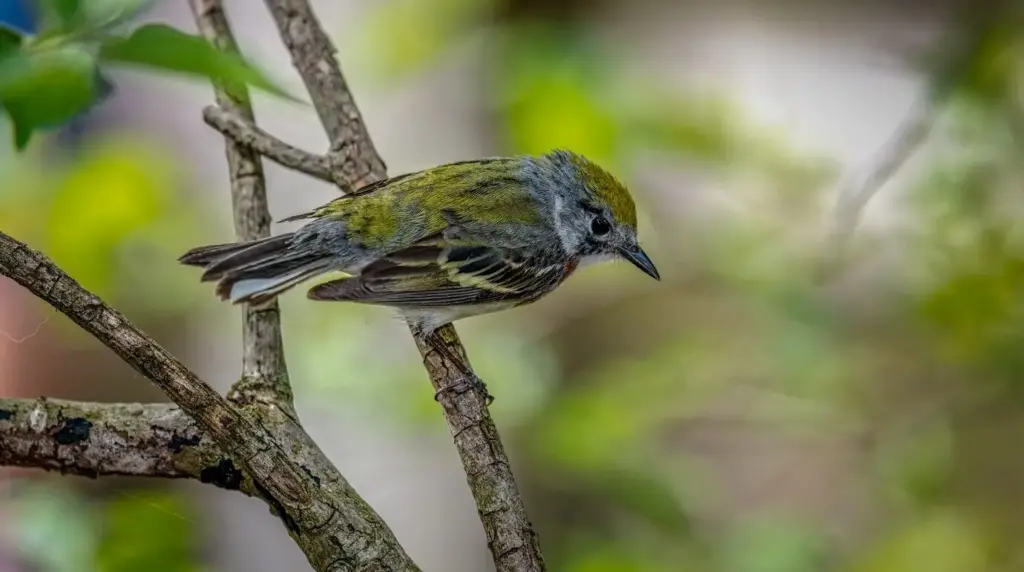
As light gathers, robins begin their liquid phrases, blackbirds shape fluent whistles, and wrens stitch impossibly quick trills into the understory. Listen for call-and-response arcing across paths and ponds. Instead of naming every singer, notice patterns, directions, and overlaps. Allow occasional identification to deepen, not dominate, your attention. The chorus is a community event, not a solo. Standing gently among it invites humility and belonging, reminding us city living can still include wild conversation generously offered without tickets, announcements, or applause.
Silence does not mean absence; it means space holding everything else. Pause often. Before stepping, feel your weight settle, then release. Let footsteps follow the breath, not the clock. When a loud car passes, notice how birds briefly adjust, then resume. Follow that resilience. The practice is less about collecting rare sounds and more about noticing how attention steadies when you stop chasing. In this steadiness, the city’s ordinary textures reveal unexpected kindness and an invitation to continue gently.

Walking As an Instrument

Your body shapes the soundscape you receive and create. Clothing rustles, backpacks squeak, soles scrape bark and gravel. Instead of fighting these, tune them. Choose soft layers, secure zippers, and place your phone on airplane mode to reduce stray chirps. Let posture lengthen so the diaphragm moves freely, improving oxygenation and perception. Treat each step as a note placed thoughtfully within a larger composition. When you move with care, the woodland replies generously, and you become a respectful participant rather than an accidental percussion section.

Breath Pacing For Clarity

Synchronize steps with a simple inhale for four counts, exhale for six, inviting the parasympathetic system to guide the walk. This longer exhale can slow heart rate variability toward steadier rhythms, making quiet details more available. When a siren intrudes, stay with breath instead of bracing; let sound pass through like wind. Over time, this strengthens attention’s elasticity, letting you return to birds, leaves, and distant water without frustration. The steadier your breath, the more generous the morning feels.

Footfall Softness Practice

Experiment with landing the foot mid-sole, rolling outward, then through the big toe, decreasing sudden thumps that startle wildlife and drown subtle textures. Shorten stride slightly; let knees stay buoyant. If gravel crackles loudly, try edges of the path or mossy margins when safe and permitted. Notice how softened steps lengthen your listening horizon. Fellow walkers often report feeling lighter, not just quieter, as if the ground itself becomes a collaborator in keeping attention gentle, curious, and unhurried.

Phone-Free, Sense-Forward

Place devices on airplane mode, tuck them deep in a silent pocket, and let curiosity lead rather than notifications. Redirect the habitual need to capture into internal noticing first: directions of calls, textures of wind, alternating rhythms. Later, if you record, do it briefly and purposefully. This order matters. By practicing delayed capture, you protect presence, letting memories form richly before you reach for tools. The result is fewer files, better recollection, and a walk that nourishes rather than fragments attention.

Hidden Groves Behind Bus Lines

Urban woodlands often sit quietly between commuter arteries, train embankments, and river floodplains. Finding them becomes part treasure hunt, part reclamation of daily geography. Use local maps, park guides, and birding apps to identify pockets with layered canopy, water edges, and minimal pre-dawn lighting. Consider access, safety, and public transport timetables. Arrive early but not isolated; invite a friend or two, respecting neighbors and habitat. These overlooked groves reward consistency, teaching that sanctuary can fit within the folds of ordinary city schedules.

Fog, Mist, And Nearness

Fog acts like a gentle acoustic blanket, shortening horizons and emphasizing intimacy. Birdsong seems closer, water drips take center stage, and your breath’s rhythm grows audible. Accept this nearness; it encourages slower pacing and deeper noticing of tiny details like lichen beads and webbed dew. When vision narrows, hearing expands. Treat fog-whitened paths as invitations to listen for warmth, patience, and kindness right beside you, rather than scanning for distant drama that can wait for brighter, busier hours.

Winter’s Clear Lines

Leafless branches reveal architecture and amplifying corridors between trunks. Your footsteps on frozen ground create crisp punctuation, while woodpeckers map territory with hollow taps. Dress warmly, keeping extremities comfortable so focus can stay outward. In this lean season, every sound feels purposeful, almost calligraphic. Let the pared-back palette sharpen discernment without pushing into harshness. When the sun lifts, a sudden glint off ice or crow wing can feel like an exclamation, reminding you gratitude thrives even in spare, quiet landscapes.

Summer’s Insect Choirs

As heat arrives, cicadas, crickets, and katydids stitch a continuous bed of shimmer that alters how birds and breezes appear. Instead of fighting this density, rest into it like ocean surf. Notice rhythms within the buzz, the way one hedge hums differently than another. Early starts help, before temperatures peak. Hydrate, shade your eyes, and let the chorus be a teacher of persistence. You may find your patience lengthens, like daylight itself, stretching generous minutes across mornings that feel unhurried and abundant.

What the Ear Teaches the Body

Listening at sunrise is not merely pleasant; it is physiological. Studies link birdsong and gentle natural soundscapes with lowered stress markers, improved mood, and enhanced attention. Longer exhalations stimulate vagal tone, supporting digestion and cardiovascular steadiness. Forest air, even in city groves, carries plant compounds that may nudge immune function. Beyond metrics, there is lived evidence: shoulders settling, jaw softening, decision-making clarifying. Treat the walk as medicine offered freely, requiring only punctuality, presence, and willingness to be surprised by ordinary beauty.

Sketchbooks And Sound Maps

After each walk, draw a quick outline of paths, placing symbols for birds, breezes, or water with arrows for direction and lines for volume. Add timestamps for dawn changes. This keeps attention practical, playful, and cumulative. Over weeks, pages reveal seasonal shifts and favored corners. Post a photo of a page to invite discussion, asking others what symbols they would add. Collective mapping becomes a gentle conversation that strengthens both memory and belonging without demanding artistic perfection or heavy equipment.

Gentle Recording, Generous Ethics

If you record, keep microphones discreet and sessions brief, avoiding nests and sensitive habitats. Share clips with context rather than spectacle: date, weather, location type, and what you learned by listening first without gear. Invite feedback and always credit communities who steward the spaces you enjoy. Prioritize relationship over reach. When a place feels crowded, step back and return another day. Ethical choices protect future mornings and model the kind of attention that urban woodlands need to flourish beside our bustling neighborhoods.

Invite Others, Grow The Ritual

Extend a warm invitation to neighbors, coworkers, or classmates to meet for a short pre-work wander. Offer simple guidance and reassure newcomers that expertise is unnecessary; curiosity is enough. Afterward, share tea, trade notes, and encourage comments or messages describing what surprised them most. Consider starting a small newsletter where sunrise times, routes, and reflections appear weekly. Engagement keeps the practice alive, weaving companionship into routine. The more voices listening kindly together, the stronger and more welcoming the morning becomes for everyone.

Kentolentomiraravozera
Privacy Overview

This website uses cookies so that we can provide you with the best user experience possible. Cookie information is stored in your browser and performs functions such as recognising you when you return to our website and helping our team to understand which sections of the website you find most interesting and useful.